
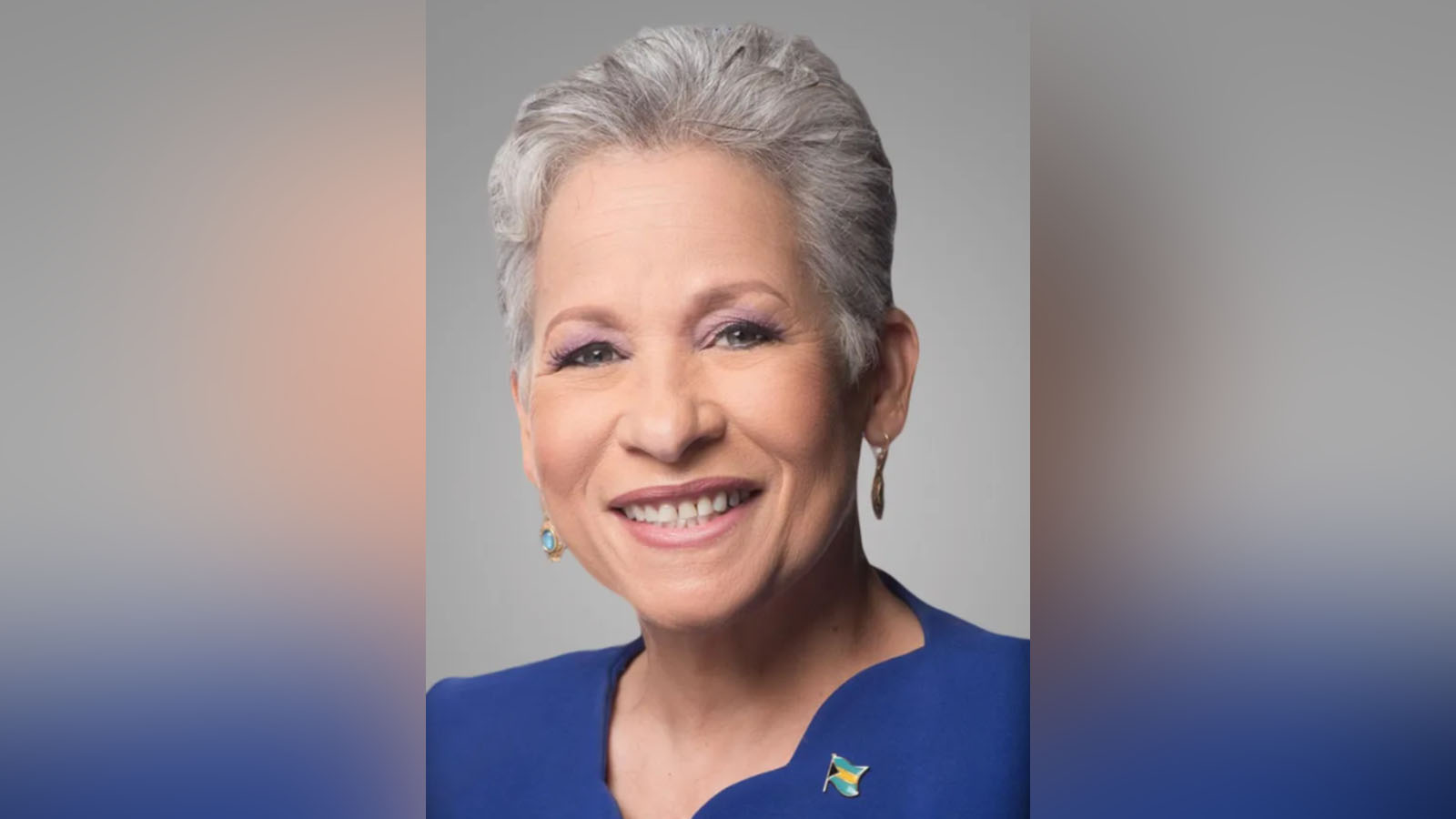
Glenys Hanna-Martin has made history as the first woman appointed Minister of Tourism of The Bahamas. The decision by Prime Minister Philip Davis is seen as both a political milestone and a strategic move for one of the Caribbean’s most tourism-dependent economies.
Tourism remains the backbone of the Bahamian economy, contributing significantly to GDP and employment. Hanna-Martin takes office at a critical moment, as the region faces rising competition, climate-related challenges, and pressure to modernize its tourism offer.
A Historic Appointment
Her nomination has been widely welcomed by political leaders and the tourism industry alike. Media outlets and social media users have described the appointment as “historic” and “groundbreaking.”
A six-time parliamentarian representing Englerston, Hanna-Martin is considered one of the country’s most experienced politicians. She previously held positions overseeing education, transport, aviation, and national development.
Analysts believe her background in transport and aviation could prove especially valuable in managing tourism policy, which is closely tied to air connectivity and infrastructure across the Bahamian archipelago.
Challenges Facing the Tourism Sector
The new minister takes office during a period of significant change in Caribbean tourism. The Bahamas continues rebuilding visitor numbers after the pandemic while competing with destinations such as Jamaica, the Dominican Republic, and Turks and Caicos Islands.
Major challenges include:
- increasing local participation in cruise tourism revenue,
- expanding tourism beyond Nassau and Paradise Island,
- preparing for hurricanes and climate change impacts,
- addressing labor shortages in hospitality,
- improving air connectivity and regional accessibility,
- implementing sustainable tourism strategies.
Industry experts say Hanna-Martin may play a key role in negotiations with airlines, cruise operators, and international hotel brands investing in the Bahamas.
A Symbol of Change
The appointment also carries symbolic importance across the Caribbean, where tourism ministries remain largely male-dominated despite increasing female representation in politics.
Observers suggest her leadership could influence broader discussions about women’s representation, tourism modernization, and the future of Caribbean tourism policy.
The coming months will reveal the priorities she sets for a sector that defines both the international image and economic future of The Bahamas.