Hungary’s recent elections mark a turning point, ending over 16 years of Viktor Orbán’s rule and opening a new political chapter under the leadership of Péter Magyar. This shift could have far-reaching consequences not only for the country itself, but also for the European Union and the tourism sector.
A New Political Direction
For years, Orbán pursued a policy focused on national sovereignty, often clashing with EU institutions over rule of law, migration, and minority rights. His electoral defeat is widely seen as a signal of Hungary potentially moving closer to the European mainstream.
While Péter Magyar does not present himself as a radical reformer, he has indicated a willingness to ease ideological tensions and strengthen cooperation with Brussels. This may lead to gradual alignment with EU standards, particularly in areas related to civil rights.
Impact on Image and Perception
Previous policies toward minority groups, including the LGBTQ community, drew criticism and affected Hungary’s international image. A political shift may open the door to a more inclusive approach, which carries both symbolic and practical importance.
Across Europe, minority rights are increasingly seen as part of democratic identity. As a result, the election outcome may signal a broader response from voters to international isolation and reputational decline.
Tourism: Image as a Key Factor
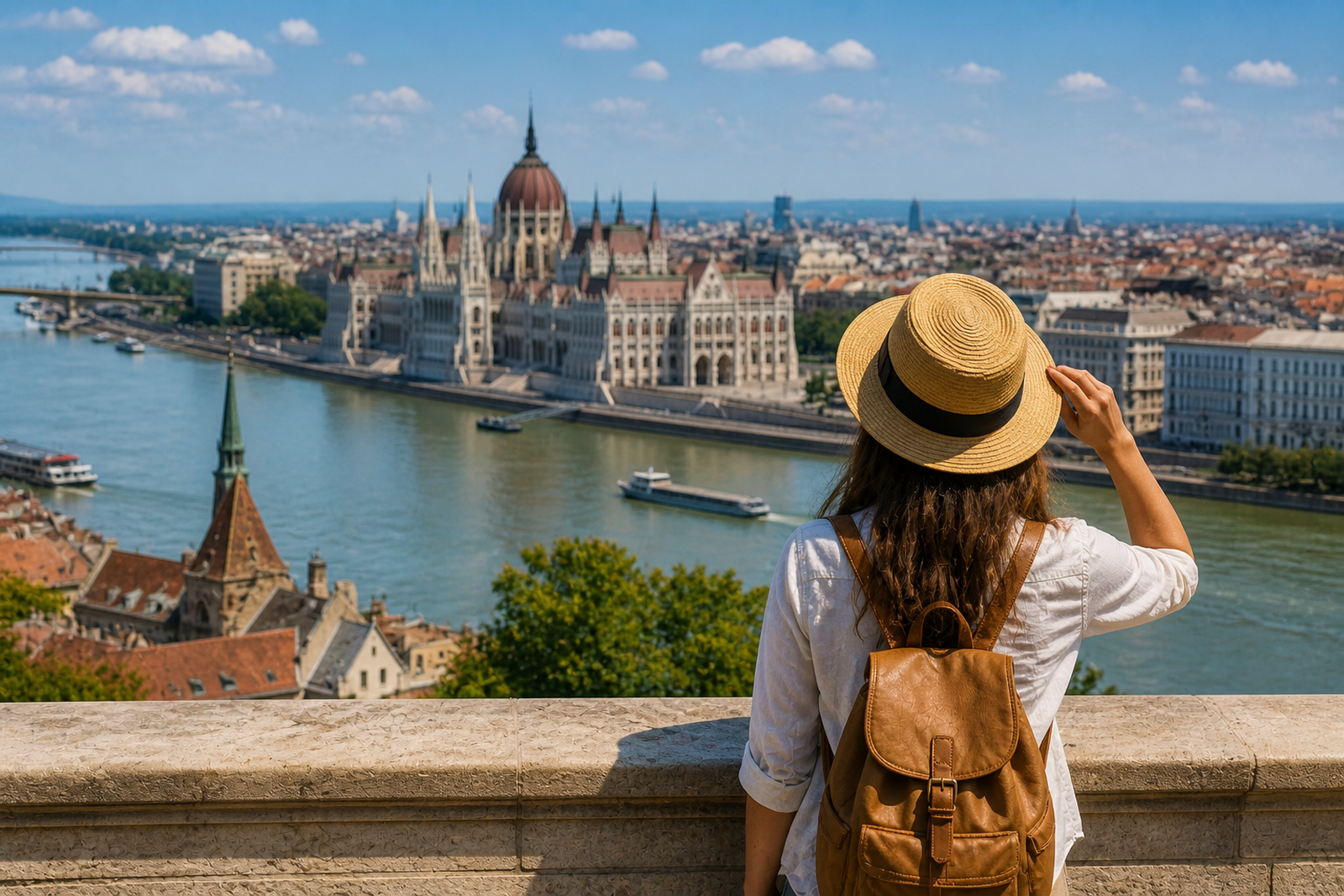
Political change could significantly influence tourism, especially in terms of how the country is perceived globally. Budapest has long attracted visitors with its architecture, culture, and nightlife, but political controversies may have discouraged some travelers—particularly younger, socially conscious audiences.
Potential benefits for tourism include:
- improved international reputation,
- increased arrivals from Western Europe and North America,
- growing interest in cultural events and festivals,
- stronger appeal for conferences and business travel.
Economic Implications
Modern tourism is increasingly tied to social values. Destinations perceived as open and inclusive tend to:
- attract higher-spending visitors,
- be preferred by international companies and event organizers,
- build stronger global brands.
In this context, Hungary could strengthen its competitive position against cities such as Vienna or Berlin.
Cautious Optimism
Despite positive expectations, experts stress that real change will depend on concrete political decisions. Institutional reforms take time, and society remains divided.
In the short term, the country may experience a rise in so-called “curiosity tourism,” driven by interest in its transformation. In the long run, the key question will be whether the new government maintains a path toward openness and closer European cooperation.
Hungary Reimagined
The political transition presents Hungary with an opportunity to redefine its role in Europe—not only politically, but also culturally and economically. For tourists, changes may initially seem subtle, but over time they could significantly reshape the country’s image.
In a world where travel decisions are increasingly influenced not only by attractions but also by values, Hungary’s new direction may prove just as important as its cultural heritage.