Tourism has long been one of the key pillars of Hungary’s economy, and during Viktor Orbán’s years in power, the sector has gained clear strategic importance. The state has consistently invested in selected infrastructure projects and international promotion, contributing to a steady increase in visitor numbers.
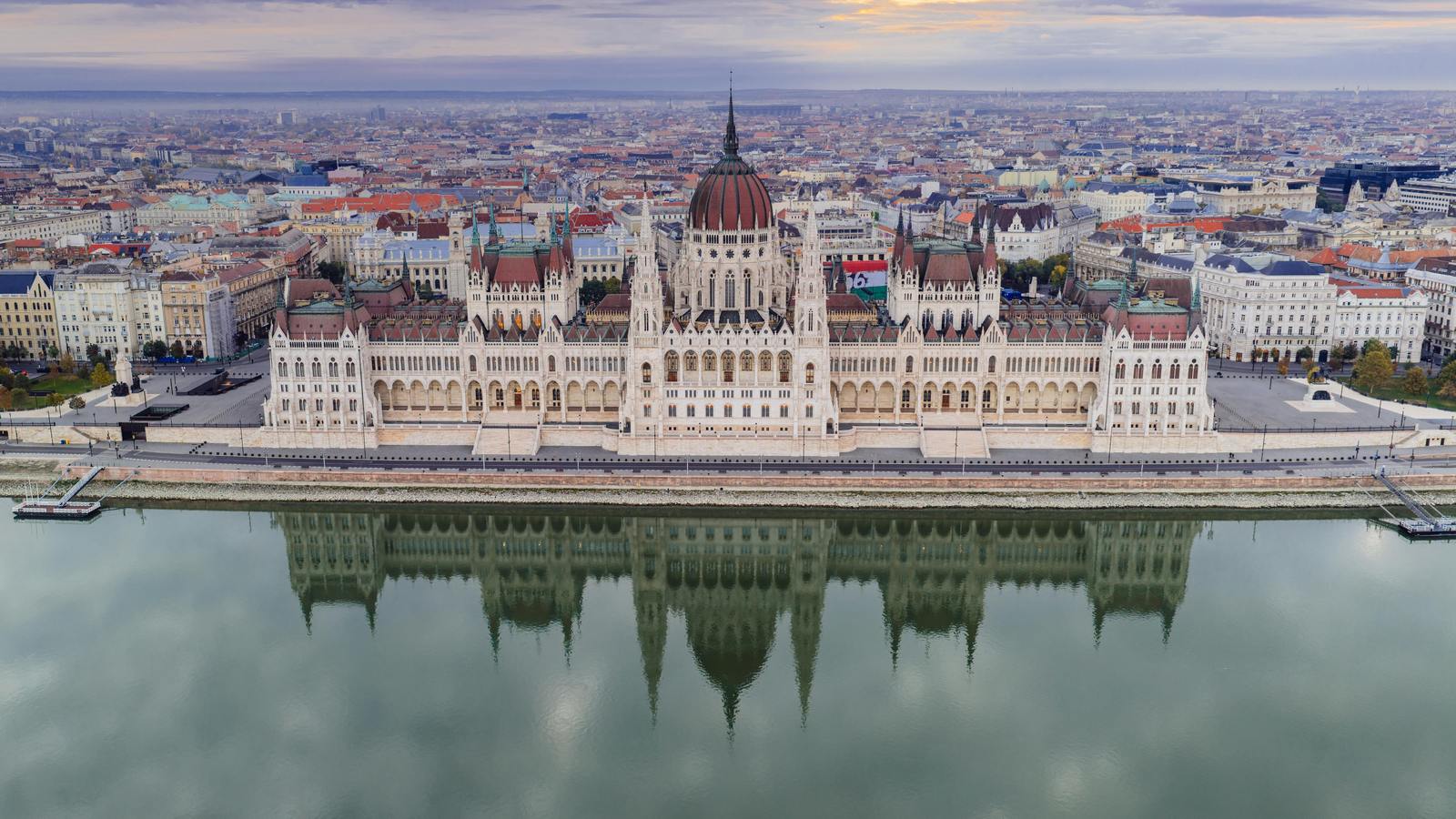
Budapest has strengthened its position as one of Central Europe’s leading tourist destinations. The hotel base has expanded rapidly, alongside spa and wellness facilities, transport infrastructure, and a growing range of cultural events. These efforts are reflected in the data – in 2025, tourist arrivals increased by around 12%, reaching nearly 9 million visitors.
A central role in managing the sector is played by the Hungarian Tourism Agency, which oversees promotion and the allocation of public funds, including EU resources. Through this institution, numerous investment programs supporting tourism development have been implemented.
Concentration mechanisms and “insider networks”
Alongside economic growth, the model of tourism development in Hungary has raised significant concerns. Critics point to mechanisms that favor the concentration of capital among entities connected to political elites.
Public subsidies and grants have often been directed toward companies with political ties, covering investments in hotels, resorts, and tourism infrastructure. This has led to an uneven playing field, favoring selected investors over a more competitive market environment.
Market consolidation through acquisitions has also played a key role. Business figures linked to the political environment have rapidly built large portfolios, including hotels, resorts, and tourism-related companies.
At the same time, management positions in tourism enterprises and public institutions have frequently been filled by individuals with political connections, creating a dense network linking business and state structures. These patterns are particularly visible in key tourism regions such as Lake Balaton and Budapest.
Distribution of benefits
Entities connected to political circles have often gained access to preferential opportunities, including attractive real estate, public funding, and EU support, benefiting from the overall growth in tourism demand.
As a result, capital has become increasingly concentrated in the hands of a relatively small group. While the tourism sector as a whole has expanded, the distribution of its benefits has not been even across the economy.
A model of success and debate
Hungary’s tourism development model reflects two parallel realities. On one hand, there is clear economic progress—growing visitor numbers, improved infrastructure, and a stronger tourism sector. On the other, there are concerns about centralization of benefits and close links between politics and business.
According to various analysts and international organizations, including Transparency International, these dynamics appear more systemic in Hungary than in many other EU countries.